It’s about time I talk about the new Trent Reznor side project with his wife. Teased on Pitchfork a couple months before its June 1st release, How To Destroy Angels promised to have a more melodic, trip hoppy sound. With the multitude of releases by Nine Inch Nails in the recent years, how does this one stand out?
The first song, The Space in Between, comes with a macabre video showing Trent and his wife laying dead after some horrific murder, eventually catching on fire. In other words, it is really cool. Mariqueen Maandig’s drugged out vocals work perfectly with the slow rhythmic song. A very promising start.
Parasite has some dirty guitar reminiscent of Broken. Not bad, but it is immediately noticeable that the trip hop vibe is suddenly gone. Fur Lined sounds like a With Teeth B side- a decent song, but more NIN sounding than I expected from this album. BBB, or Big Black Boots, is a lackluster song that sounds very Year Zeroish, aside from having a subject that might have been cool 20 years ago but feels forced now. The Believers likewise has a distinctly NIN sound, this time a pretty good semi-instrumental with its roots in The Fragile.
Listening to the entire album I can only think about two things. I love Nine Inch Nails, but if I listen to a side project I really want it to stand on its own and have a different feel. Also, Mariqueen is truthfully not the best vocalist. She does the down tempo thing well but lacks the depth to stray much further. The resulting product is pretty good – I listen to the album often- but it is nowhere near reaching its full potential.
A perfect example of what could have been is the last song, A Drowning. Finally, another slow, constant beat with Trent masterfully playing the piano. Without a doubt this is the best song on the album and what How To Destroy Angels should have been all along. It’s hard to argue with the price – you can pick up the album for free at howtodestroyangels.com. It’s a good listen- just don’t expect a legendary new sound. I have no doubt that for HTDA to be relevant in the future they will stay in their sweet spot and give us a modern twist on trip hop.
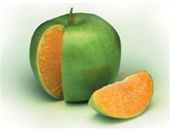 Freakonomics is a very interesting read on the economics of random topics. Describing it as disparate is not an exaggeration- the book jumps around from sumo wrestlers to drug dealers to cheating school teachers and breaks down trends with compiled statistics. It is not simply data analysis though- it actually makes analyzing that data fun. Before you think this book is all about numbers, its other author has his foundation in journalism and adds color and a stream-of-consciousness style to the writing that makes it sound conversational. And there are a good deal of funny jokes as well.